

Is Winter Pressure Washing a Good Idea?
October 30, 2023
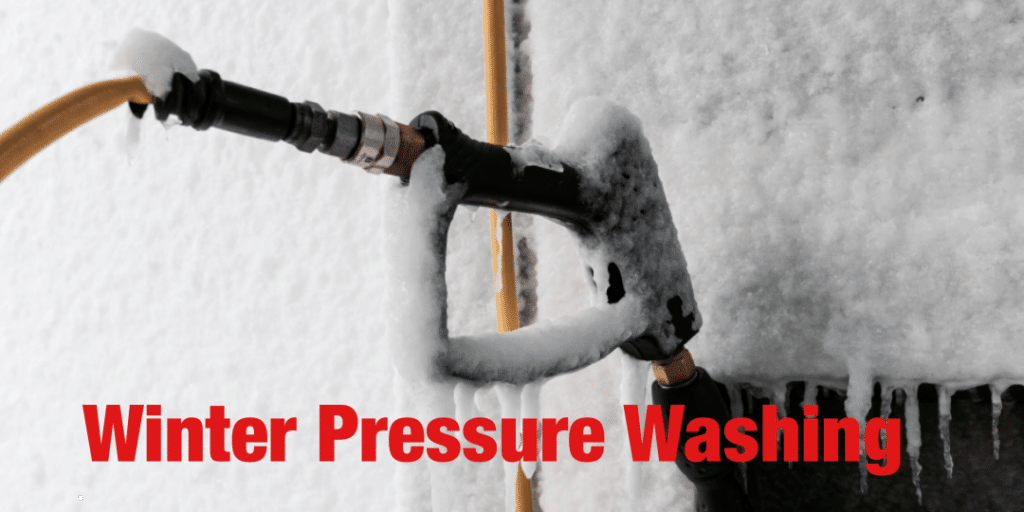
Homeowners often ask: “Can I pressure wash my house in the winter?” The short answer is: usually not. Freezing temperatures in Ohio can cause water to turn to ice, create safety hazards, and even damage concrete, siding, or shingles. While winter cleaning isn’t impossible, it comes with risks that make spring and fall much better choices. Here’s what you need to know about winter pressure washing, the dangers to avoid, and safer alternatives for keeping your property clean during cold weather.
Here are some additional factors to consider:
- Freezing Water: When you use a pressure washer in freezing temperatures, the water expelled can freeze almost instantly. This can create icy patches on surfaces, making them slippery and posing a safety risk. The idea is to keep the water moving once you start to de-winterize and start to wash. Here’s a great video with additional tips.
- Surface Damage: Some surfaces may be more vulnerable to damage in colder weather. For example, concrete can be affected by freeze-thaw cycles, and pressure washing might exacerbate this. Further, surfaces like vinyl siding or shingles can easily crack when cold.
- Equipment Concerns: Check your pressure washer’s user manual to ensure it’s designed for use in colder temperatures. Some models may have specific guidelines or features to handle cold weather conditions.
- Drying Time: During the winter, surfaces may take longer to dry due to lower temperatures and reduced sunlight. This extended drying time can lead to the growth of mold and mildew if not addressed promptly. Always try to work when sunlight is available.
- Safety Measures: If you decide to proceed with winter pressure washing, take extra safety precautions. Be aware of icy patches, use appropriate footwear, and consider using de-icing products after cleaning. Also, some chemicals used for cleaning may have temperature restrictions. Many cleaners and detergents do not work in temps lower than forty degrees. Be sure to use products that are suitable for colder conditions.
Is Winter Pressure Washing Worth the Risk?
In short, winter pressure washing is possible, but rarely practical in Ohio. Freezing water, surface damage, equipment strain, and slow drying times all make it a risky choice. Most homeowners will get far better results by waiting for spring or fall, when conditions are ideal for cleaning and protecting siding, concrete, decks, and roofs.
If your home needs attention during the colder months, consider spot-cleaning or using cold-weather-safe alternatives until the weather improves.
For the safest results and long-term protection, schedule a professional wash with Pristine Clean in the spring or fall.
FAQs About Winter Pressure Washing
Can you pressure wash in the winter?
It’s not recommended. Water can freeze quickly in cold temperatures, creating slippery surfaces and safety hazards.
What happens if you pressure wash in freezing weather?
The water can turn into ice almost instantly, making walkways dangerous. Cold can also crack siding, shingles, or concrete already stressed by freeze-thaw cycles.
Is winter pressure washing bad for equipment?
Yes. Pressure washers work harder in the cold, consume more fuel, and may not be designed for freezing conditions. Always check the manufacturer’s guidelines.
What are safer alternatives to winter pressure washing?
Using de-icing salt, chemical cleaners designed for cold temperatures, or spot-cleaning until spring are safer ways to manage buildup.
When is the best time to pressure wash instead of winter?
Spring and fall are the best seasons in Ohio. Mild temperatures allow surfaces to dry properly and reduce the risk of freezing damage.